Discover the Best 10 Gothic Fiction Books of All Time

Step into a world where the past never truly dies. Our curated list of the best gothic fiction books invites you to explore the chilling intersection of supernatural dread and psychological ruin. From the crumbling foundations of The Castle of Otranto to the mist-shrouded moors of Wuthering Heights, these masterpieces defined the genre.

Whether you are seeking the classic gothic novels that birthed our modern nightmares or contemporary gems like Mexican Gothic, this selection highlights the essential elements: dilapidated settings, ancestral curses, and the sublime terror of the unknown.

Dive into the epistolary horror of Dracula, or lose yourself in the haunting corridors of Manderley in Rebecca. Each title on our top 10 list has been chosen for its enduring atmosphere and its ability to keep readers looking over their shoulders long after the final page is turned.

  1. 10. The Castle of Otranto by Horace Walpole

    The Castle of Otranto by Horace Walpole book cover

    As the novel that launched a thousand ruins, Walpole's work is essential for any Gothic scholar. While the plot - involving a giant falling helmet and ancestral curses - can feel melodramatic to modern ears, its influence is undeniable. It established the "Found Manuscript" trope and the concept of the architecture itself being a source of terror. The atmosphere of gloom and the frantic pacing create a fever-dream quality. It is a foundational text that captures the 18th-century obsession with the medieval past, blending the improbable elements of romance with the dark, heavy realism of a nightmare.
    View on Amazon | Read full review

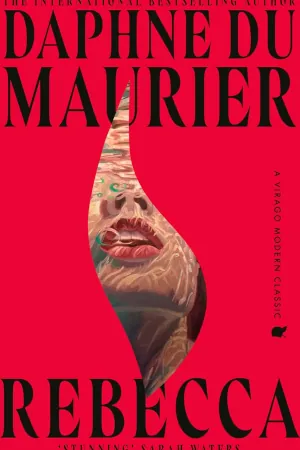
  2. 9. Rebecca by Daphne du Maurier

    Rebecca by Daphne du Maurier book cover

    "Last night I dreamt I went to Manderley again." This opening line sets the stage for a psychological haunting where the ghost is not a spectre, but a memory. The unnamed narrator must contend with the lingering influence of Max de Winter's first wife, Rebecca, whose presence is felt in every silk ribbon and garden flower. Mrs. Danvers remains one of the most terrifying villains in literature, acting as a high priestess to a dead woman's cult. It is a brilliant study of jealousy, class, and the secrets hidden within the grand estates of the English coast.

    View on Amazon | Read full review

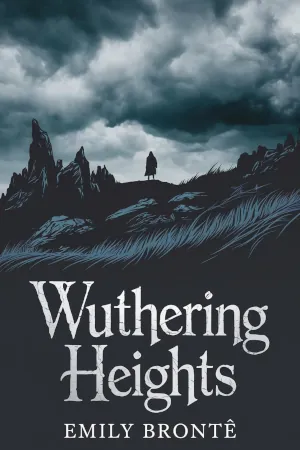
  3. 8. Wuthering Heights by Emily Bronte

    Wuthering Heights by Emily Bronte book cover

    Bronte's only novel is a wild, elemental force. Set against the desolate Yorkshire moors, it transcends the typical ghost story to become a tale of metaphysical obsession. Heathcliff and Cathy are not traditional heroes; they are cruel, passionate, and destructive. Their love is a sickness that haunts the next generation, manifesting in the literal and figurative ghosts that plague the Heights. The house itself feels battered by the wind and the sins of its inhabitants. It is a masterpiece of the "Romantic Gothic," where the landscape and the human soul are equally untamable and stormy.

    View on Amazon | Read full review

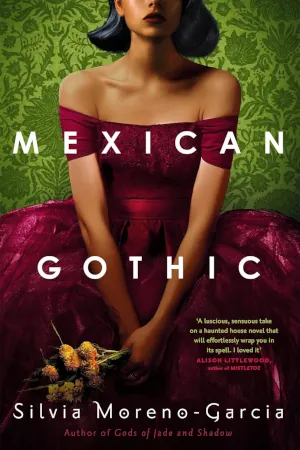
  4. 7. Mexican Gothic by Silvia Moreno-Garcia

    Mexican Gothic by Silvia Moreno-Garcia book cover

    Moreno-Garcia breathes new life into the genre by relocating the "creepy house" to 1950s Mexico. Noemi Taboada is a refreshing protagonist - glamorous and sharp - who enters the decaying High Place to rescue her cousin. The novel masterfully weaves together traditional Gothic tropes with the horrific realities of colonial exploitation and eugenics. The atmosphere is thick with rot and fungal decay, creating a visceral, biological brand of horror. It is a clever deconstruction of the genre that proves the "haunted manor" remains a potent metaphor for the sins of the past, regardless of the setting.

    View on Amazon | Read full review

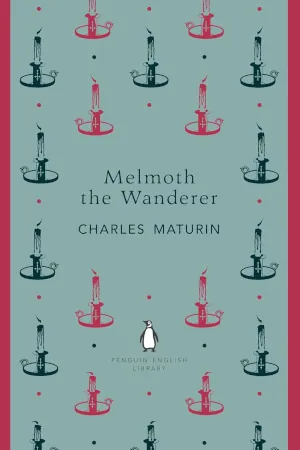
  5. 6. Melmoth the Wanderer by Charles Maturin

    Melmoth the Wanderer by Charles Maturin book cover

    This is perhaps the most intense and complex example of the High Gothic. Maturin utilises a "Chinese Box" structure - stories within stories - that creates a dizzying sense of vertigo. At the centre is Melmoth, a man who sold his soul for prolonged life and now roams the earth seeking someone to take his place. The scenes in the Spanish Inquisition are particularly harrowing, showcasing the Gothic preoccupation with religious corruption. It is a bleak, sprawling, and deeply atmospheric epic that explores the furthest reaches of human despair and the terrifying weight of immortality.

    View on Amazon | Read full review

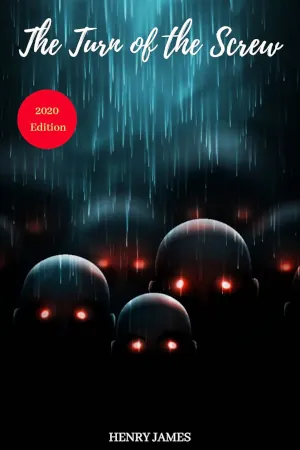
  6. 5. The Turn of the Screw by Henry James

    The Turn of the Screw by Henry James book cover

    James provides the most famous "ambiguous" ghost story in history. The governess at Bly becomes convinced that her two young charges are being corrupted by the spirits of two former servants. However, the brilliance of the narrative lies in the uncertainty: are the ghosts real, or is the governess suffering a psychological breakdown? The isolation of the country estate and the eerie perfection of the children create a suffocating tension. It is a sophisticated, terrifying work that relies on what is left unsaid, forcing the reader to find the horror in the gaps of the narration.

    View on Amazon | Read full review

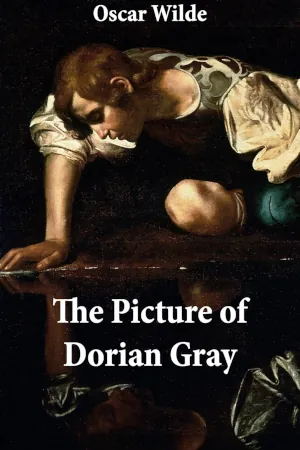
  7. 4. The Picture of Dorian Gray by Oscar Wilde

    The Picture of Dorian Gray by Oscar Wilde book cover

    Wilde's only novel is a decadent Gothic masterpiece. It shifts the "haunting" from a physical space to a piece of art. Dorian remains eternally youthful and innocent in appearance, while his portrait rots and withers with every sin he commits. The book is a lush, sensory experience, filled with witty epigrams and dark philosophy. It explores the danger of aestheticism without morality and the psychological toll of a life lived without consequences. The final transformation of the painting is one of the most iconic and satisfying moments of horror in the literary canon.

    View on Amazon | Read full review

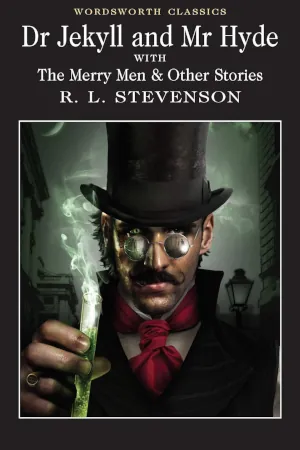
  8. 3. The Strange Case of Dr Jekyll and Mr Hyde by Robert Louis Stevenson

    The Strange Case of Dr Jekyll and Mr Hyde by Robert Louis Stevenson book cover

    This novella is the ultimate exploration of the Gothic "double." Stevenson captures the anxieties of the late Victorian era, where the polished exterior of a gentleman often masked a darker, repressed nature. The foggy, labyrinthine streets of London serve as a physical representation of the mind's hidden corridors. As Jekyll loses control to the primitive, violent Hyde, the story becomes a tragedy of addiction and lost identity. It is a lean, perfectly paced thriller that asks if we can truly separate our base instincts from our moral conscience without destroying ourselves in the process.

    View on Amazon | Read full review

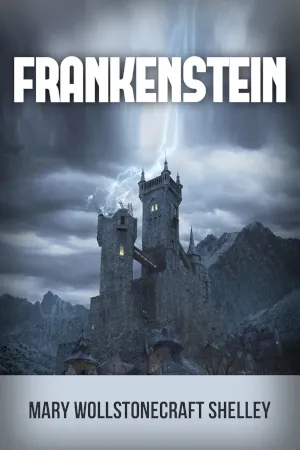
  9. 2. Frankenstein by Mary Shelley

    Frankenstein by Mary Shelley book cover

    Shelley's work is a profound meditation on the ethics of creation and the agony of isolation. Often misunderstood as a simple monster movie, the novel is actually a deeply philosophical look at a creator who abandons his duty. The "Creature" is a tragic figure, articulate and suffering, whose descent into violence is a direct result of human cruelty and rejection. The icy wastes of the Arctic provide a perfect Gothic backdrop for the final confrontation between Victor and his progeny. It remains a haunting warning about the dangers of playing God without the capacity for empathy or social responsibility.

    View on Amazon | Read full review

  10. 1. Dracula by Bram Stoker

    Dracula by Bram Stoker book cover

    Stoker's epistolary masterpiece remains the definitive vampire myth. By using journals and telegrams, he creates a terrifying sense of realism as an ancient evil invades modern Victorian London. The transition from the rugged, superstitious mountains of Transylvania to the clinical, scientific world of Dr. Seward is jarring and effective. Count Dracula himself is less a character and more an omnipresent force of nature, representing the fear of the "other" and the corruption of the bloodline. It is a sprawling, high-stakes battle between tradition and modernity, faith and science, and life and the predatory undead.

    View on Amazon | Read full review