
Top 100 Fantasy Books Of All Time
Looking for great fantasy books? Take a look at the 100 pages we rate highest
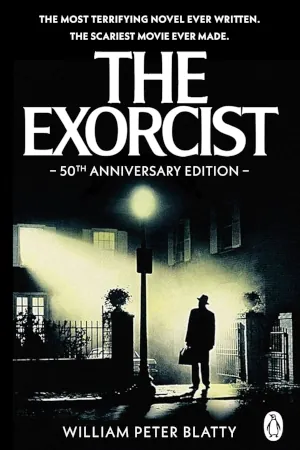
William Peter Blatty's "The Exorcist" is often remembered for its visceral shocks, yet at its core, it is a deeply intellectual and spiritual meditation on the nature of belief. Unlike many of its contemporaries in the horror genre, the novel treats the supernatural not as a flight of fancy, but as a terrifying intrusion into a modern, secular world. The story follows Chris MacNeil, an actress and agnostic, as she witnesses her daughter Regan's inexplicable physical and psychological transformation.
What makes Blatty's work so enduring is his commitment to the "procedural" aspect of the horror. He spends a significant portion of the book exhausting every scientific and medical possibility - from brain lesions to psychiatric disorders - before the narrative finally turns toward the ritual of the Roman Catholic Church. This grounding in reality makes the eventual arrival of the demonic presence all the more shattering.
The heart of the novel lies in the character of Father Damien Karras, a Jesuit priest and psychiatrist struggling with a crisis of faith following the death of his mother. For Karras, the possession of Regan is a paradox: the presence of a demon offers the first tangible evidence he has found for the existence of the divine. Blatty's prose is lean and cinematic, yet it allows for dense philosophical debates between Karras and the elderly Father Merrin, exploring why a benevolent God would allow such suffering.
The power of "The Exorcist" remains its ability to provoke a sense of primal dread. Blatty uses the desecration of the innocent to force a confrontation with the absolute. It is a gruelling, exhausting read that transcends the "shocker" label to become a genuine work of literature. Decades after its release, it remains the definitive exploration of the battle for the human soul.
10/10 from 1 reviews
Looking for great fantasy books? Take a look at the 100 pages we rate highest

There's nothing better than finding a fantasy series you can lose yourself in

Our fantasy books of the year, from 2006 to 2021